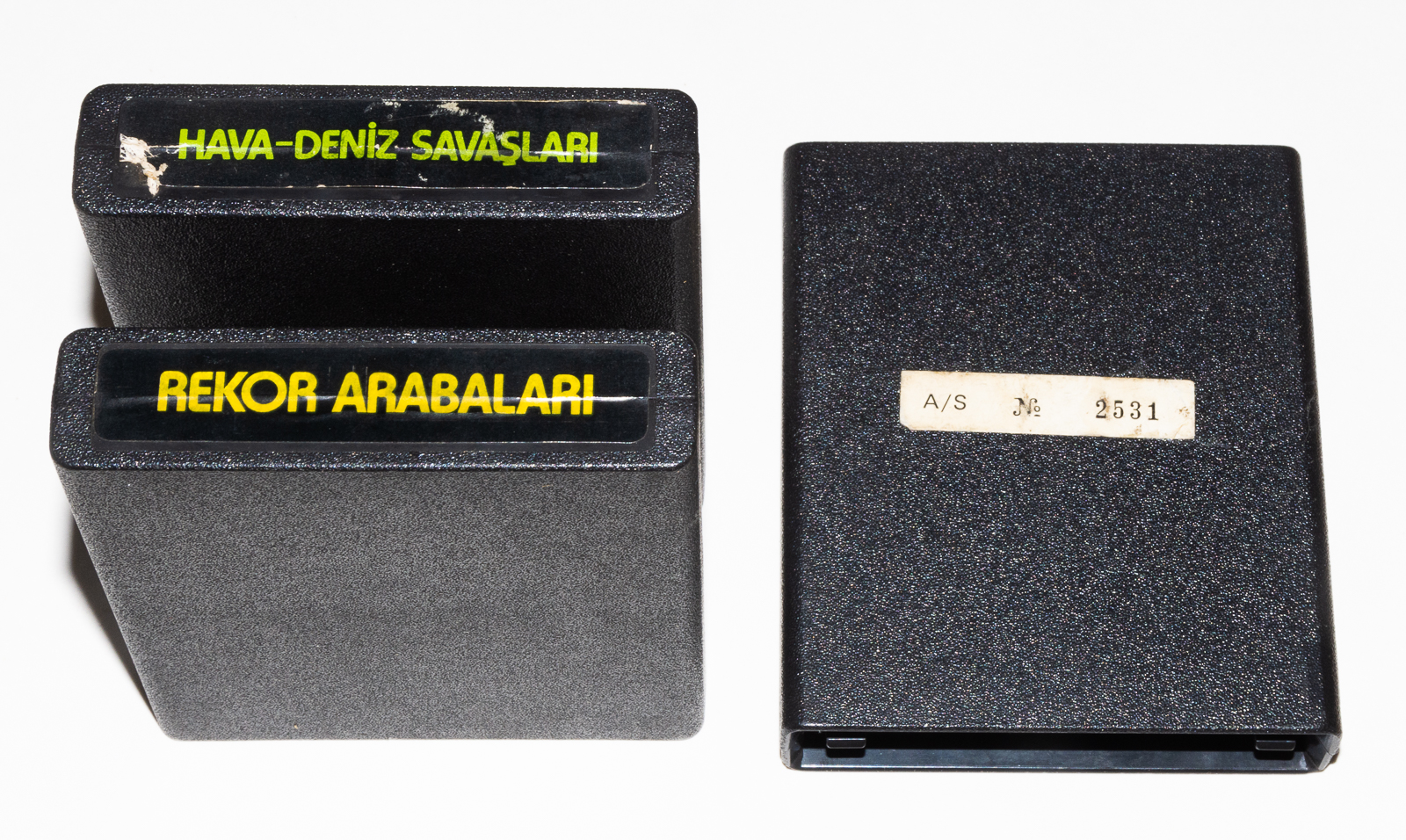

This article was originally published as a thread on my @AtariSpot account on Twitter.com in June of 2022. It has been lightly edited for readability, though it still contains many photos that break up the text. I did what I could.
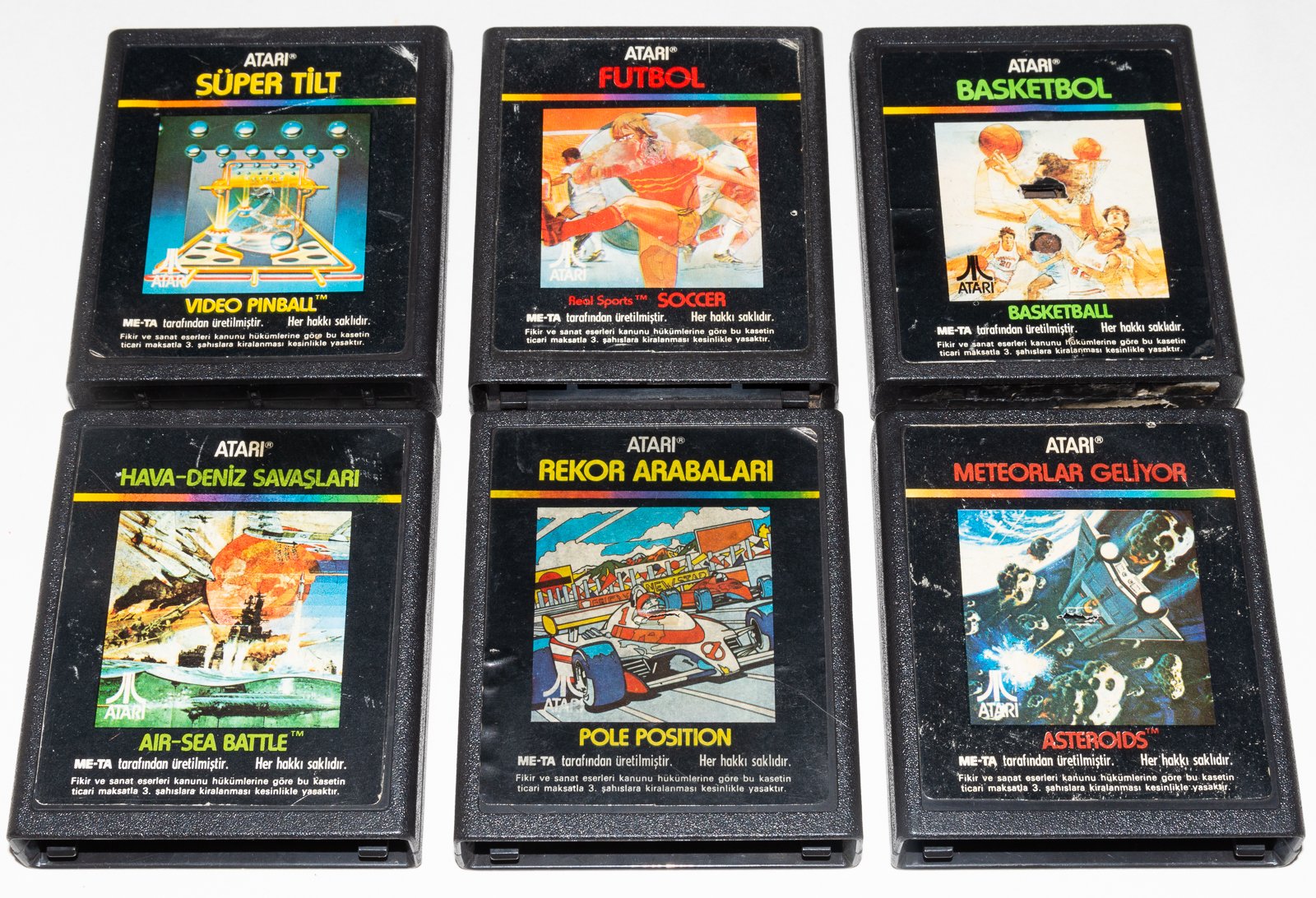
Ask a collector lucky enough to have found official, licensed Atari 2600 cartridges from Türkiye whether they work. Provided they don't lie, they'll probably say "no". So, what's wrong with the cartridges? Failed components? EPROMs gone bad? Something else? No… There's an unexpected answer!
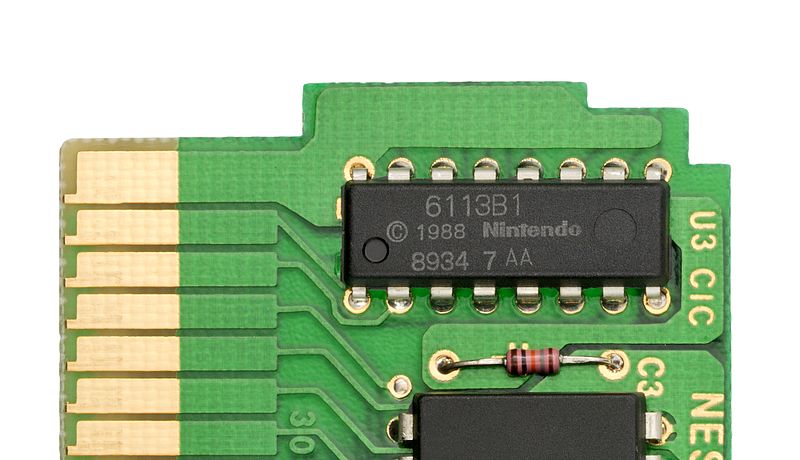
It's been generally accepted that Nintendo was first to introduce region-locking to a home game console. Famicom and NES consoles have differing cartridge sizes and pinouts, and the CIC/10NES lockout chip system offered an additional regional authentication check for the NES.
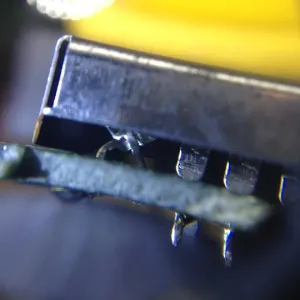
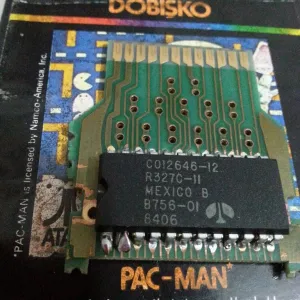
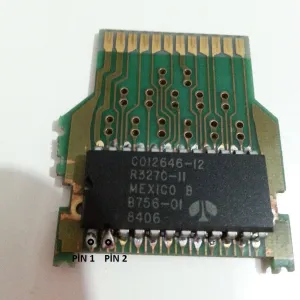
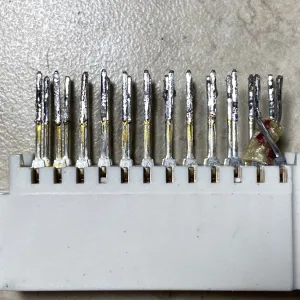
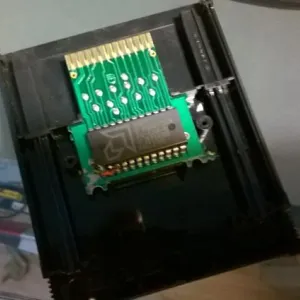
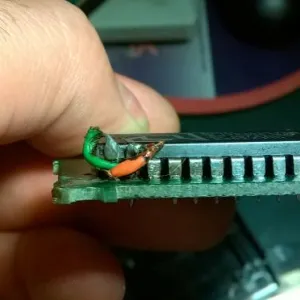
But in 1984, ME-TA, Atari's new licensee in Türkiye, did it their own way: rerouting two pins on cartridge ROMs and the corresponding pins in 2600 consoles' ports was their way of region-locking their products. These illustrative photos come from the forums at http://commodore.gen.tr -- the close-up, edge-on first photo depicts two pins coming off a ROM chip and criss-crossing to effectively create a different pinout to the PCB. The following two photos show the PCB and ROM chip of a Pac-Man cartridge manufactured in Turkey. One can see something unusual about the two adjacent pins leading from the ROM to the PCB. The two pins are marked in the final photo.



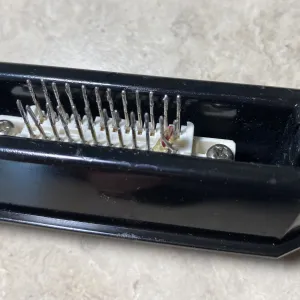
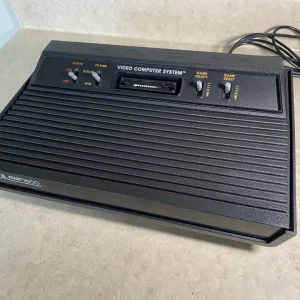
Some photos from friend and fellow weird-Atari-stuff collector @newilson24 depict the corresponding adjacent pin swap in ME-TA's Atari 2600 cartridge port. Any cartridges inserted that don't have swapped pins to match the pins swapped in the console will simply not work. The first photo shows the Turkish-made Atari 2600's cartridge console port from above, looking down at the pins, showing that two have been physically crossed. The second photo shows the deconstructed port from the side, more clearly showing the swapped pins and a small bit of insulation between them. The last photo is of ME-TA's 2600, which is the all-black "Vader" model -- the design at the time in early 1984. Nothing on the outside distinguishes it as being any different from a "normal" 2600 apart from the label on its bottom, not pictured in this photo.



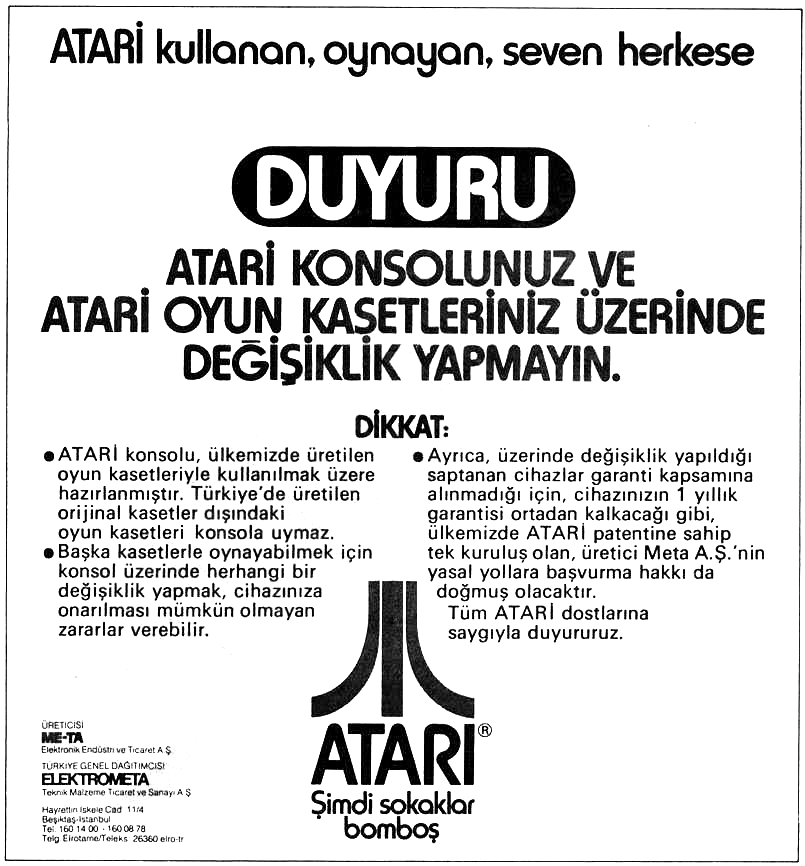
DUYURU ("ANNOUNCEMENT")
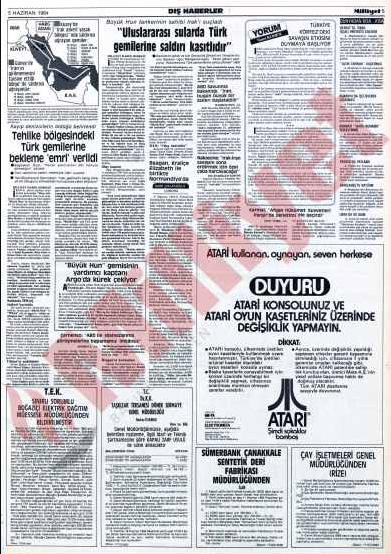
A notice in the 5 June 1984 daily "Milliyet" newspaper informs consumers that their Atari 2600 consoles were designed to work *only* with games manufactured in Türkiye:
DİKKAT ("CAUTION")
The 5 June 1984 notice also warns that modifying a console to use non-Turkish-made cartridges can cause irreparable damage, void the warranty, and is basis for ME-TA to take legal action. They really didn't want people circumventing the region-locking!
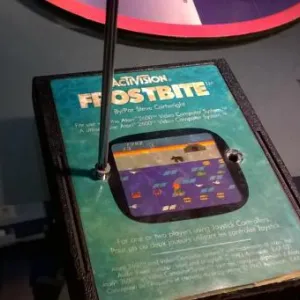
But of course… circumvent they did! Again, great photos from the http://commodore.gen.tr forums that depict a Frostbite cartridge being modified to account for the swapped console pins, to work in a Turkish-made Atari 2600. The region-locking was primitive enough to be overcome by those with the technical know-how.



So, did ME-TA act alone? Or was Atari involved? The timing makes it harder to even guess; Warner sold off Atari Inc. just weeks after the April/May 1984 release of the 2600 in Türkiye. Might other international licensees also have eventually made use of this (or a similar idea)?
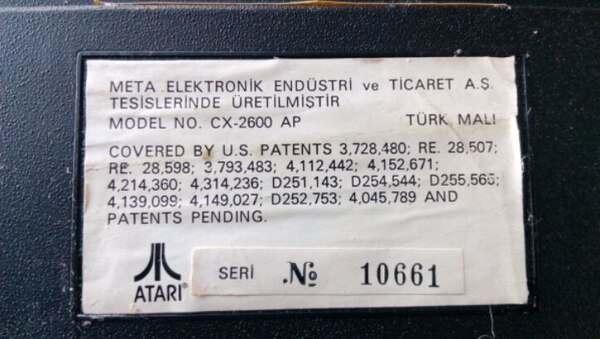
And unless more info arises, it's unknown whether this was more about combating growing global 2600 piracy, or forcing Turkish consumers to buy only the handful of Turkish-made games. But imagine buying a console and only being able to play 13 games… no 3rd party titles, either!
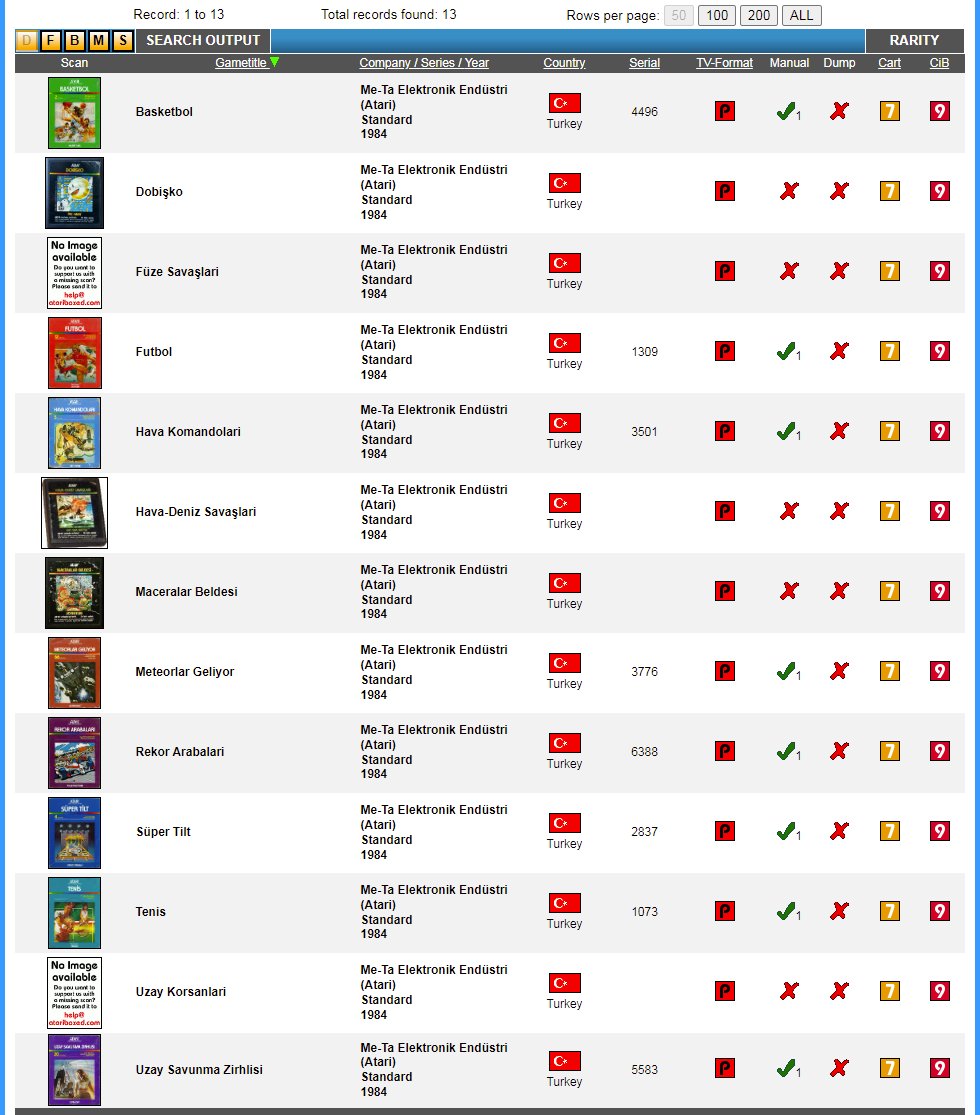
Anyway... sure, it was technologically simple, it was used only in one country for a brief period of time, and it seems like it was extremely short-lived. But there you have it, an instance of home video game region-locking that pre-dates the NES!